Category: Uncategorized

  • University of Pretoria’s secondment at TU Ilmenau

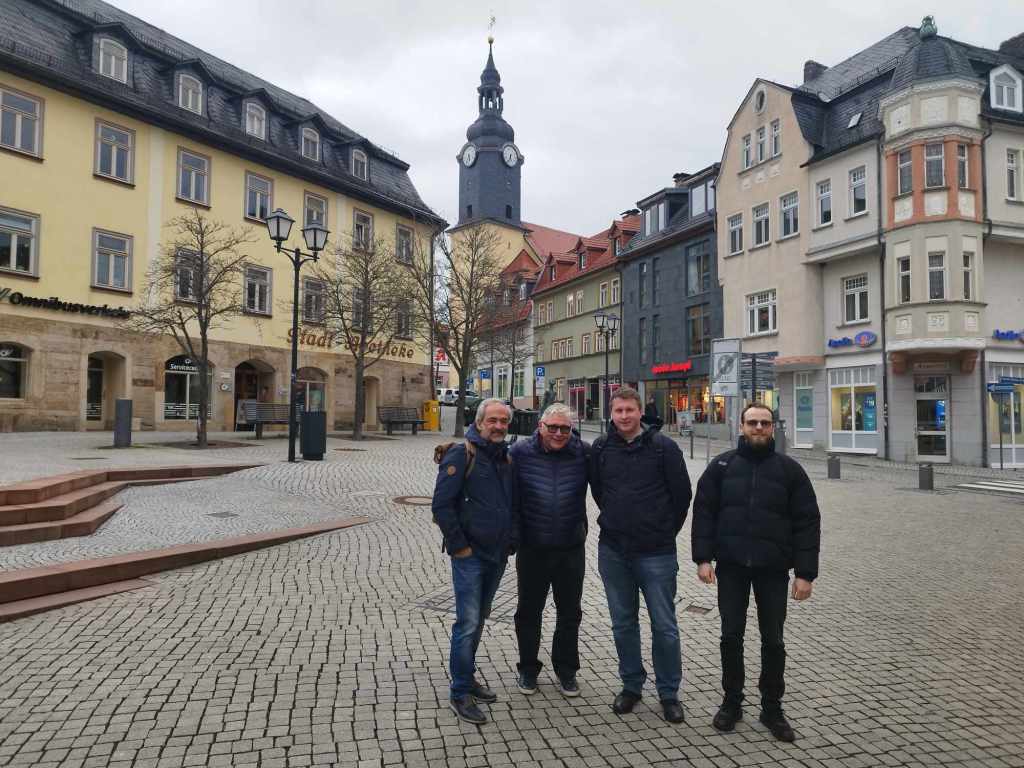
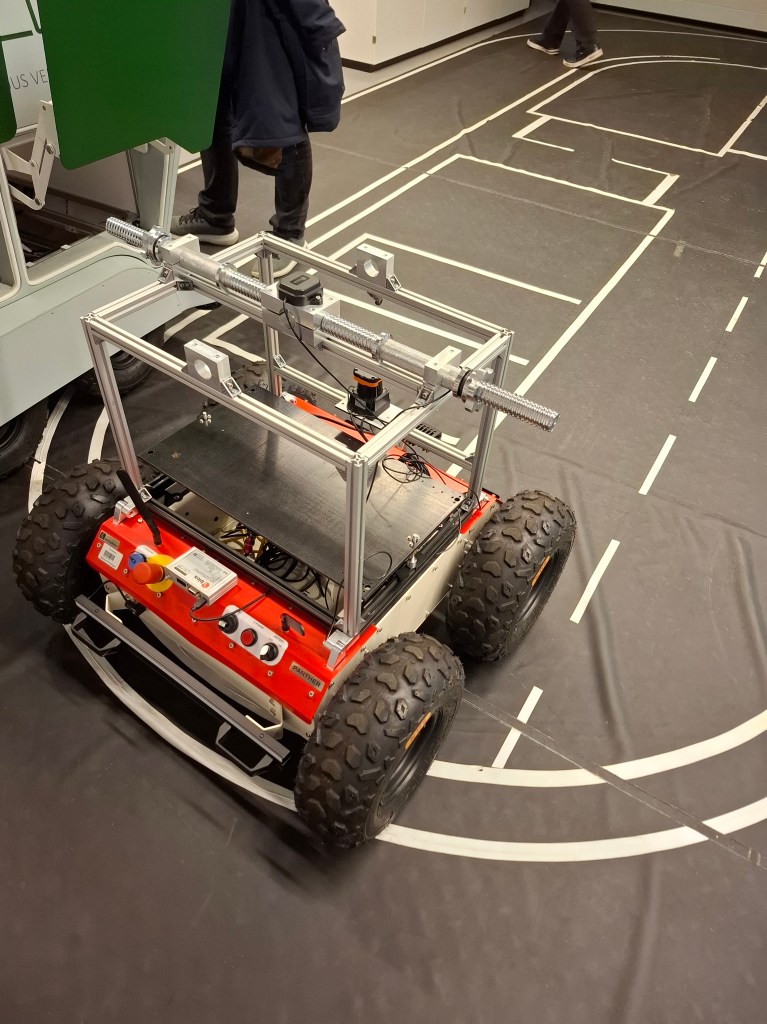
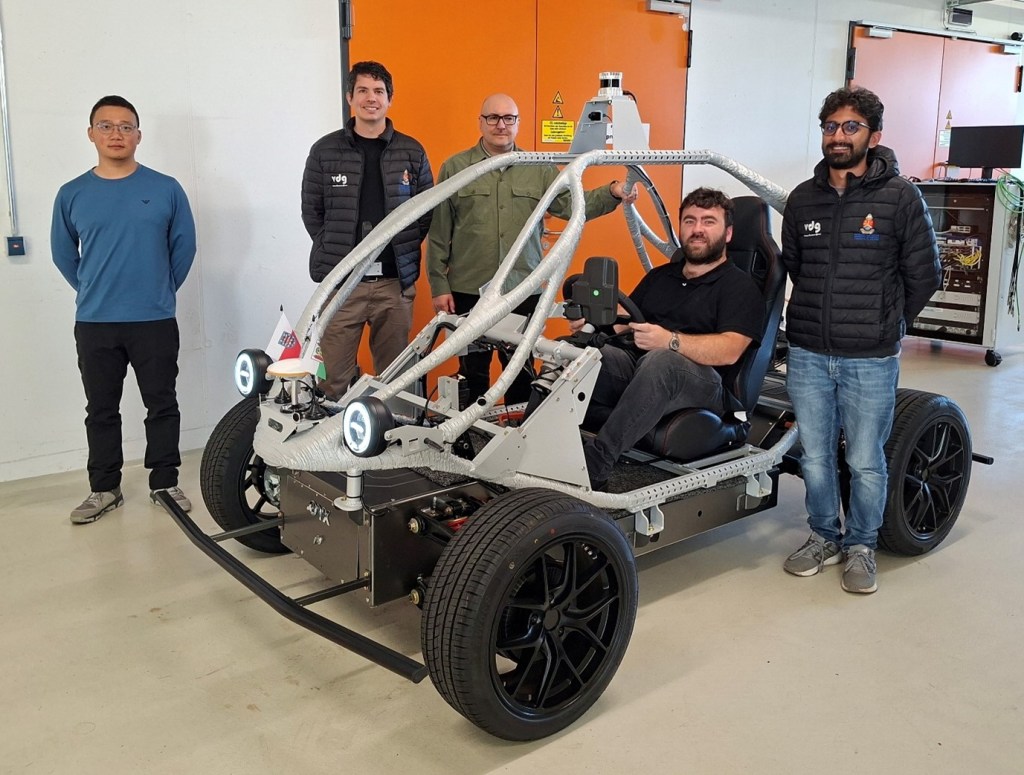
    Participants from the Vehicle Dynamics Group at the University of Pretoria, South Africa, completed a one-month secondment with Dr. Valentin Ivanov and Mr. Zhenqian Li in the Smart Vehicle Systems group, Technische Universität Ilmenau, Germany.

    During this secondment, participants established interfacing methods for a prototype multi-actuated drive-by-wire electric vehicle (PIXKIT3) to facilitate control of the steering, braking, and driving systems. A MATLAB/Simulink Simscape model of the vehicle was developed to support future control system and algorithm testing. Additionally, a camera-based side-slip angle sensor and an IMU-based vehicle attitude sensor were developed and subsequently tested on the vehicle.
  • Secondment of a University of Pretoria Researcher at TU Delft

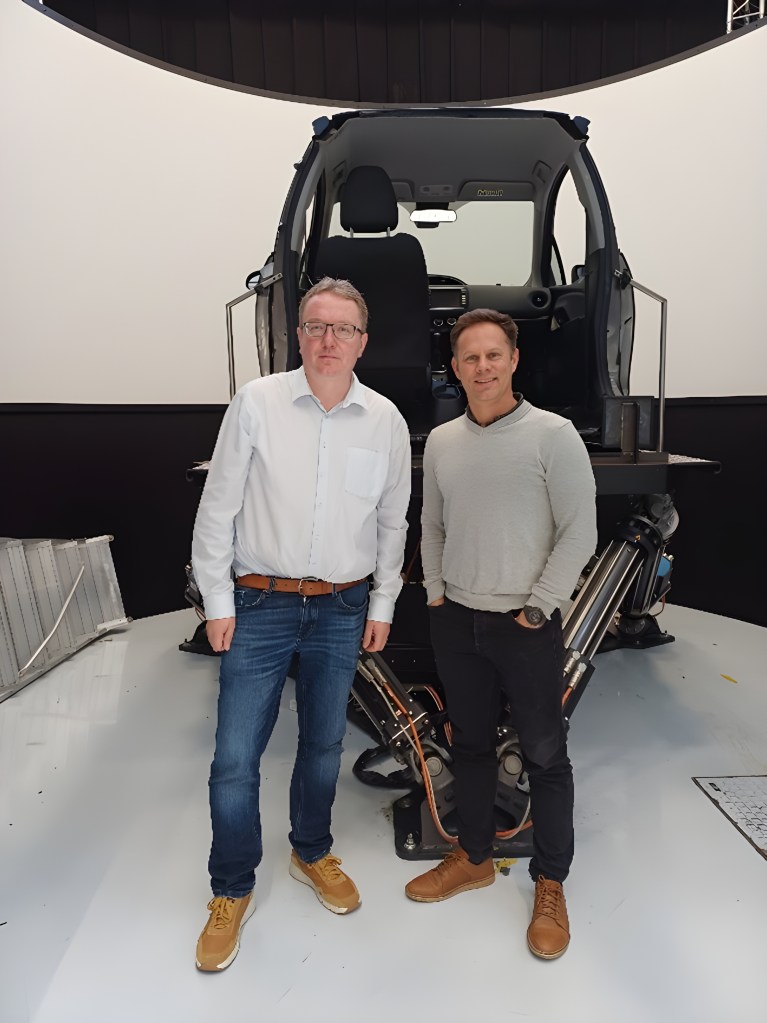
    Dr Cor-Jacques Kat from the Vehicle Dynamics Group at the University of Pretoria, South Africa, recently completed a one-month secondment with Dr Barys Shyrokau in the Section of Intelligent Vehicles, Department of Cognitive Robotics, Delft University of Technology, the Netherlands.

    During this secondment, experiments were conducted on the Delft Advanced Vehicle Simulator (DAVSi) with human participants. The aim of the tests was to investigate how signal sequencing influences the applicability of available difference thresholds, which are intended to be used in the control strategies.

    During this secondment Dr Kat also had a one-day visit to another project partner – Tenneco in Sint-Truiden, Belgium.

  • MOCO Project Presented at EVTeC 2025

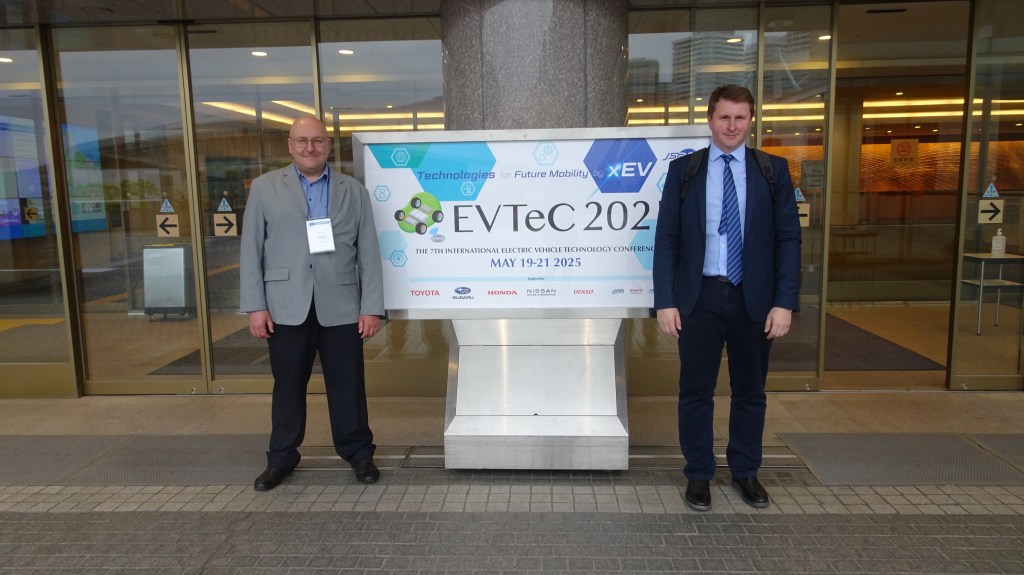
    At the EVTeC 2025 conference in Japan, researchers Viktor Skrickij from VILNIUS TECH and Valentin Ivanov from Smart Vehicle Systems at TU Ilmenau presented their collaborative work on the MOCO project, funded by RA within Marie Sklodowska Curie Actions. The proposed study introduced the wheel corner concept that aims to enhance electric vehicle motion control, offering improved efficiency and capability. It is designed for scalability and replicability across various vehicle segments, facilitating the development of innovative electric vehicle architectures.

  • First Secondment

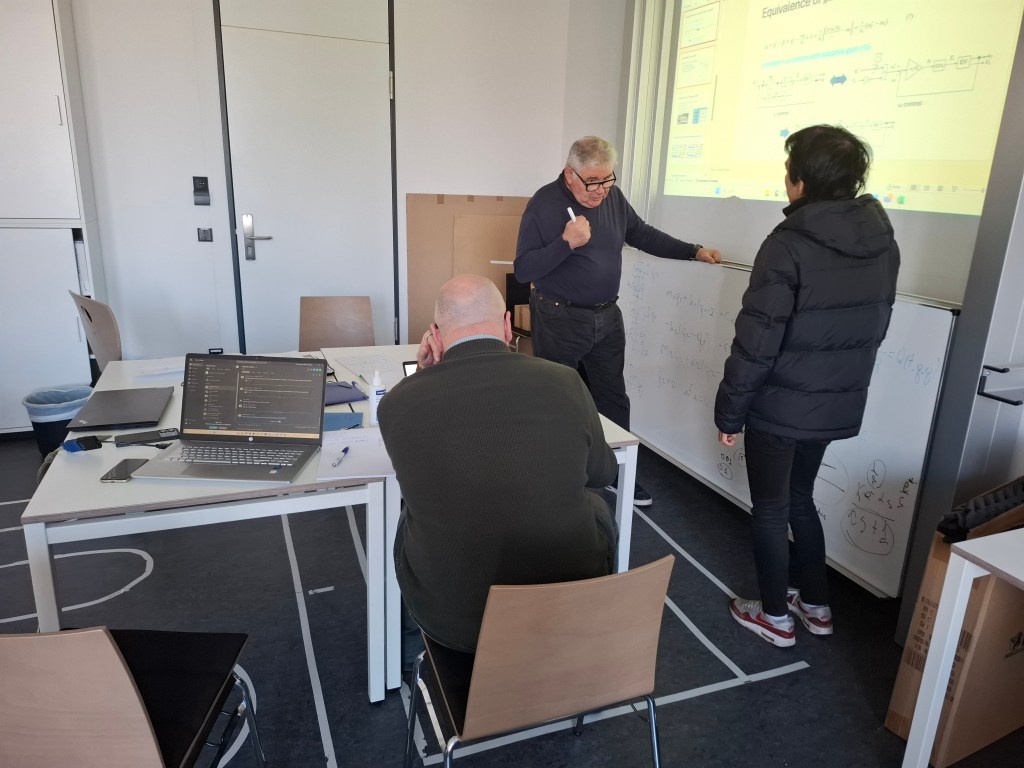
    From 31 March 2025 to 4 April 2025, Vilnius Tech (VT) staff visited the Technische Universität Ilmenau (TUIL) in Germany. The main objective was to attend training on “Design of Lyapunov-based Sliding Mode Controllers,” conducted by Professors J. Moreno and L. Fridman from the National Autonomous University of Mexico (UNAM), one of the partners in the MOCO project. The knowledge gained will be applied during the MOCO project to design high-level motion controllers, potentially resulting in faster and more precise actuator control responses.

    During the visit, partners from UNAM, TUIL, and VT met face-to-face to discuss the details of the MOCO project. Additionally, VT established closer collaboration with staff from UNAM to further deepen understanding of common tasks for the benefit of the MOCO project.

  • Launch of MOCO project

    We are excited to announce the launch of the new project MOCO – Motion Control Systems of Multi-Actuated Ground Vehicles !!!

    MOCO is a Marie Skłodowska-Curie Actions Staff Exchange project, based on the cooperation between 14 academic and industrial partners:

    AGH University of Krakow
    Aptiv Services Poland S.A.
    ITA · Instituto Tecnológico de Aragón
    French National Centre for Scientific Research (CNRS)
    Technische Universität Graz
    KATECH (Korea Automotive Technology Institute)
    National Autonomous University of Mexico
    Delft University of Technology
    Technische Universität Ilmenau
    Tenneco Automotive BV
    University of Pretoria
    Université de Technologie de Compiègne (UTC)
    The University of Tokyo
    VILNIUS TECH – Vilnius Gediminas Technical University

    The MOCO project aims to develop a holistic approach to the system design, identification and validation of motion control systems as applied to multi-actuated ground vehicles within the context of safety, performance, energy efficiency and robustness.